
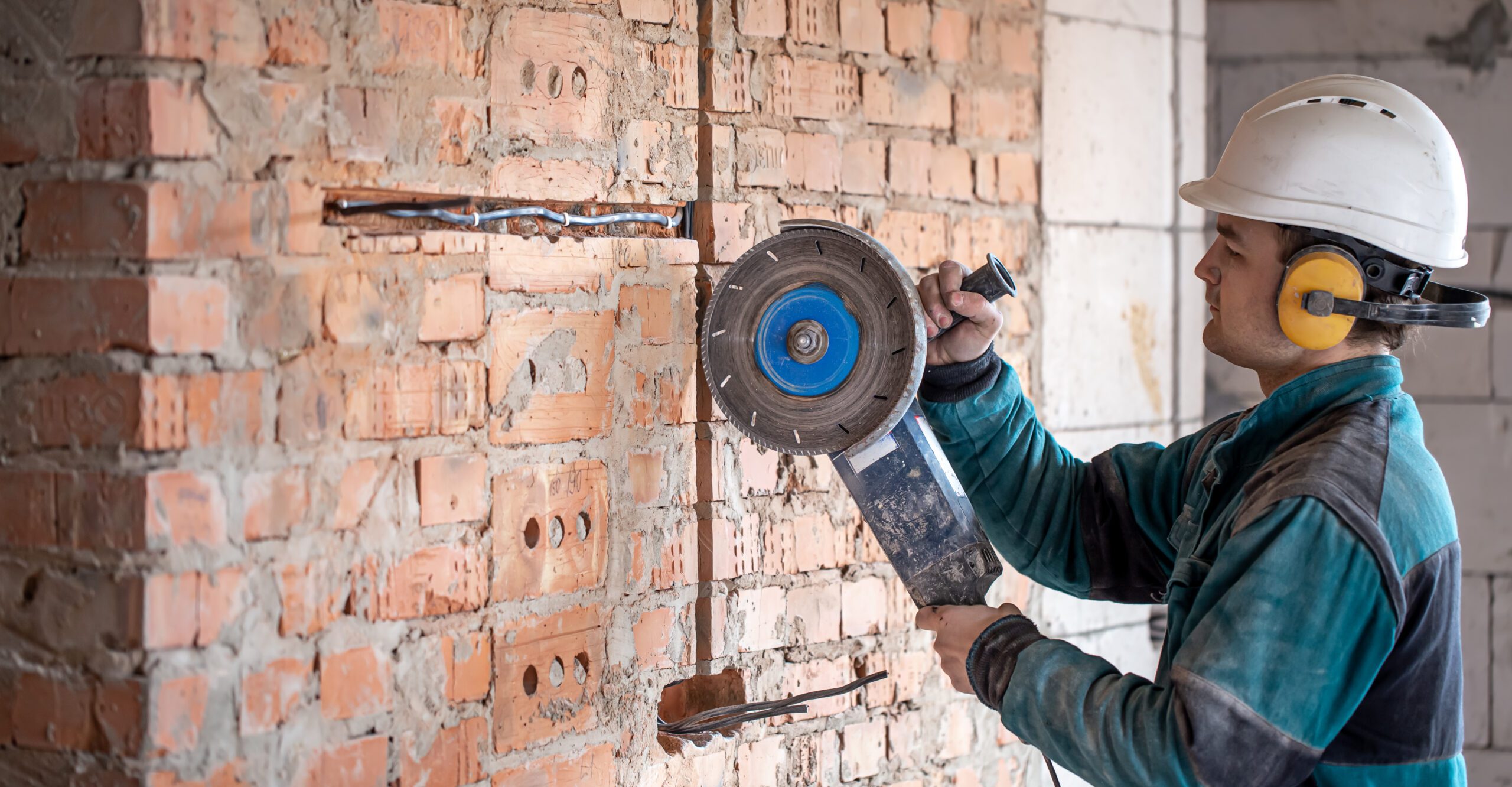
Concrete Cutting & Coring Services for Facility Managers: Risk Reduction & Cost Strategy
Facility upgrades often begin with small structural changes. A new drainage route, added cable tray, HVAC extension, or fire system upgrade may require openings through reinforced concrete. The risk starts when hidden utilities, dense reinforcement, or tension cables sit beneath the surface. Poor drilling decisions can damage services, delay operations, and increase repair costs across the facility. This is why many managers now depend on accurate scanning, controlled cutting methods, and proper site coordination before structural work begins. Advanced tools like a GPR locator help identify hidden risks early and support safer drilling decisions.
Modern facilities contain layered infrastructure within walls, slabs, and service corridors. Every penetration affects nearby systems and operational flow. Facility managers must protect structural integrity while keeping operations active during maintenance and renovation work. Concrete cutting and coring now play a major role in asset protection rather than simple demolition activity.
The Role of Concrete Cutting in Facility Upgrades
Buildings change constantly over time. Utility systems expand, equipment layouts shift, and maintenance access requirements increase. These modifications often require precise slab openings and wall penetrations.
Traditional demolition methods create uncontrolled vibration, debris, and cracking. Controlled cutting methods provide cleaner access with better structural protection. Diamond saw systems improve cutting accuracy and reduce stress around surrounding concrete sections.
Modern cutting applications commonly support:
- Utility rerouting
- HVAC installation
- Drainage access
- Electrical upgrades
- Shaft openings
- Floor penetrations
Precision matters during every stage of the process. Incorrect alignment may affect reinforcement bars or create installation conflicts later. Professional teams inspect slab depth, reinforcement layout, and service conditions before cutting begins.
Wet cutting systems also improve dust management. This becomes important in hospitals, offices, hotels, and retail spaces where occupant comfort must remain protected during renovation activity.
Projects involving core concrete applications often require strict dimensional accuracy. Even small drilling errors may affect pipe routing and equipment positioning.
Why Planned Structural Access Reduces Operational Risk
Many facility projects face delays because access planning begins too late. Contractors may request slab penetrations after installation work has already started onsite. This creates rushed drilling activity and poor coordination between teams.
Planned access strategies help reduce these problems. Facility managers can map service routes, utility conflicts, and drilling locations before renovation begins. This improves scheduling and lowers repair risk during execution.
Early planning supports:
- Better utility coordination
- Reduced downtime
- Faster project flow
- Cleaner work zones
- Improved worker safety
Structural access planning also supports compliance requirements. Fire-rated walls, reinforced slabs, and emergency systems require careful handling during modification work.
Older facilities create additional challenges because original drawings may no longer match actual site conditions. Hidden conduits, abandoned lines, and overlapping service routes increase uncertainty during drilling operations.
This is why many renovation projects involve a GPR contractor in Nadd Al Hamar, Dubai before structural penetration begins. Accurate scanning improves visibility beneath the slab and helps reduce utility strike risk.
Utility Detection Before Drilling and Coring
Hidden utilities remain one of the largest risks during concrete modification work. Electrical conduits, water lines, post-tension cables, and communication systems may sit directly within drilling zones.
Ground penetrating radar improves drilling safety by identifying embedded objects before penetration begins. Operators review scan data carefully and mark safer drilling paths onsite.
Utility detection supports:
- Safer drilling operations
- Lower repair costs
- Better routing decisions
- Reduced shutdown risk
- Faster project approval
Scanning also improves project coordination between structural, electrical, and mechanical teams. Contractors can adjust layouts before drilling starts instead of reacting after damage occurs.
A professional GPR locator also helps identify slab inconsistencies, reinforcement density, and hidden voids that may affect drilling conditions. This improves planning accuracy during complex renovation work.
Cost Control Through Precision Execution
Unexpected drilling conditions often increase project costs quickly. Utility damage, rework, delayed installations, and shutdown periods create major financial pressure for facility managers.
Controlled cutting methods help reduce these risks. Accurate drilling locations lower the chance of repair work and improve installation efficiency. Clean openings also reduce patching and finishing costs later.
Common hidden cost factors include:
- Utility repair expenses
- Rework from poor alignment
- Equipment downtime
- Waste removal costs
- Extended shutdown periods
Access conditions also affect productivity. Tight mechanical rooms and elevated drilling areas require additional planning and specialized equipment.
Projects involving core concrete work may require larger drill sizes and stabilization support during penetration. Proper planning helps avoid delays during these stages.
Facility managers also benefit from improved long-term maintenance access. Clean structural openings simplify future inspection and servicing work across the facility.
Managing Occupied Buildings During Structural Work
Many facilities remain fully operational during renovation activity. Offices, hotels, healthcare centers, and retail spaces cannot tolerate uncontrolled noise, dust, or restricted access.
Professional cutting teams reduce disruption through phased scheduling and controlled execution methods. Wet cutting systems help reduce airborne dust while low vibration tools protect nearby finishes and equipment.
Environmental control strategies often include:
- Dust containment systems
- Water management plans
- Restricted work zones
- Noise reduction scheduling
- Controlled debris removal
Communication also plays a major role during occupied projects. Facility managers coordinate access timing, tenant movement, and emergency routes throughout the work process.
An experienced coring and cutting agency in Dubai understands how to manage structural work inside active buildings where operational continuity remains critical.
Lyca Survey: Supporting Safer Structural Access
At Lyca Survey, we support facility managers through advanced scanning, utility detection, and structural access planning services designed for modern commercial and industrial environments.
Our team focuses on reducing drilling risk while improving project coordination before concrete penetration begins. We help clients identify hidden services, reinforcement patterns, and structural conditions through accurate survey methods.
Our support capabilities include:
- Concrete scanning services
- Reinforcement detection
- Utility mapping support
- Controlled coring coordination
- Structural access planning
- Embedded service identification
Our technical systems support safer drilling decisions across live facilities and complex renovation environments.
Get a Quote
Structural modification projects require accurate planning before drilling begins. At Lyca Survey, we help facility managers reduce operational risk through scanning, utility detection, and structural survey support. Visit our official website today to explore our advanced scan room 3D solutions and discuss your upcoming facility project with our technical team.
FAQs
- Why is concrete scanning important before cutting or coring through reinforced concrete?
Concrete scanning helps identify hidden utilities, reinforcement bars, post-tension cables, and voids before drilling. This reduces the risk of structural damage, service interruptions, costly repairs, and project delays.
- How does ground penetrating radar improve safety during concrete cutting projects?
Ground penetrating radar provides a non-destructive method for locating embedded objects within concrete. It helps teams identify hazards, mark safer drilling zones, and make informed decisions before penetration work begins.
- What are the benefits of using professional concrete cutting and coring services in occupied facilities?
Professional services minimize dust, vibration, noise, and disruption. They also improve cutting accuracy, protect nearby systems, maintain operational continuity, and support safer renovation activities in active environments.
- How can planned structural access help facility managers reduce project costs?
Early planning helps avoid utility strikes, rework, equipment downtime, and installation conflicts. It improves project coordination, reduces unexpected expenses, and supports more efficient execution of facility upgrades.
- What types of projects typically require concrete cutting and coring services?
Concrete cutting and coring are commonly used for HVAC upgrades, utility rerouting, drainage installations, electrical systems, floor penetrations, shaft openings, and other structural modifications in commercial and industrial facilities.
