
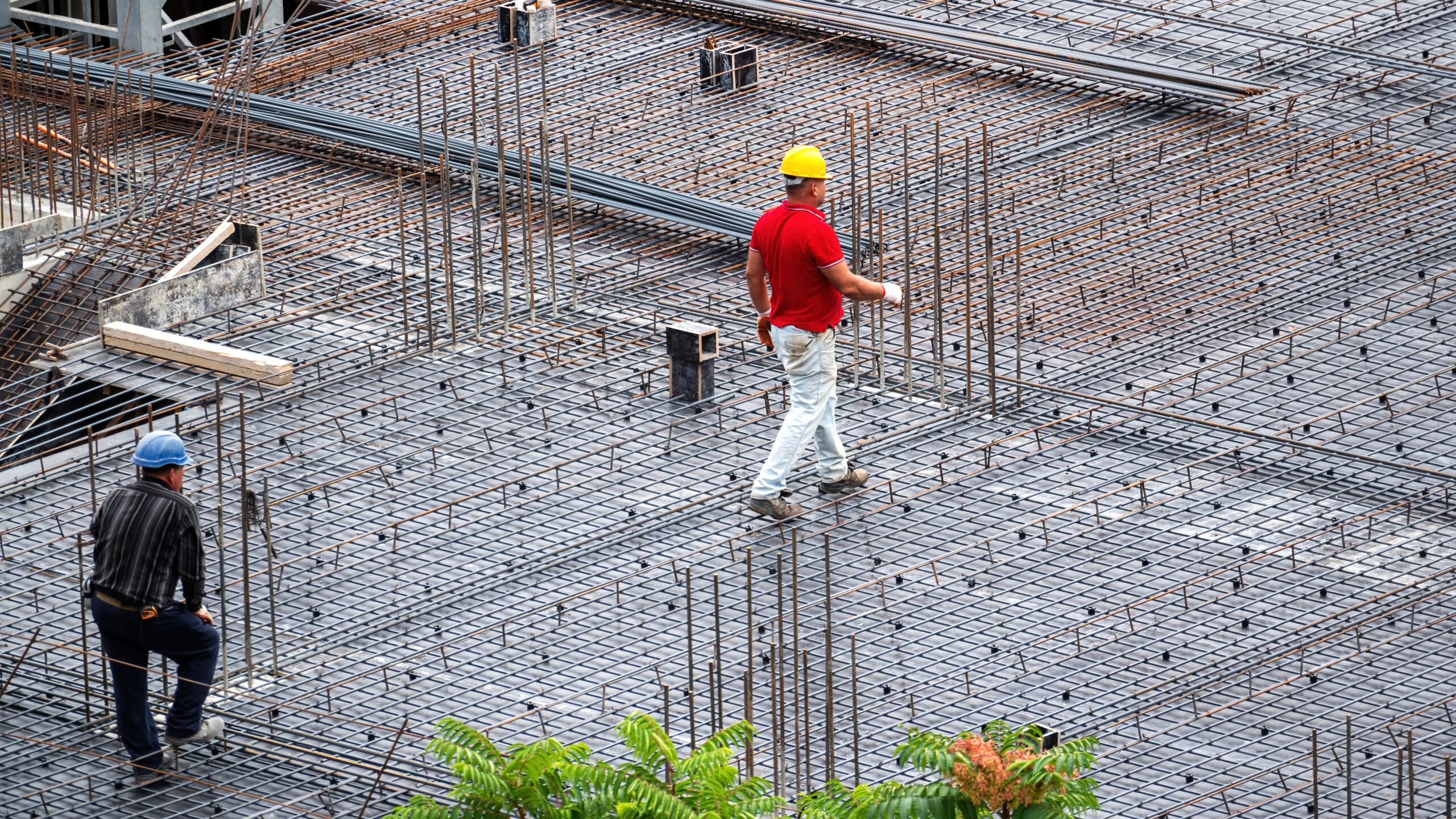
How Post Tension Inspection Reduces Compliance Risks in High-Rise Projects
Heavy floor loads, long slab spans, and tight build schedules place constant stress on high-rise structures. Post tension systems help manage these loads with better slab strength and lower concrete use. Yet small faults inside tendons, ducts, or anchor zones can create major safety and compliance issues later. This is why many developers work with a post tension inspection agency in Abu Dhabi during key project stages.
Post tension systems stay hidden inside the structure after concrete placement. Visual checks alone cannot confirm tendon condition or cable alignment. Inspection teams use scanning tools to locate tendons, measure cover depth, and detect damage before drilling, coring, or repair work begins. These inspections reduce risk, improve record accuracy, and help contractors meet project compliance standards.
Understanding Compliance Risks in High-Rise Structures
High-rise projects face strict structural and safety checks throughout construction. Engineers, consultants, and project owners require proof that slabs meet approved design intent. Missing tendons, damaged cables, or incorrect drilling can delay approvals and raise repair costs.
Many risks appear after mechanical or fit-out work begins. Contractors may drill into slabs without knowing tendon locations. A single strike can weaken slab performance and create major repair work. This can also affect safety reports and project certification records.
Inspection work creates reliable data before such issues occur. Teams scan slabs and locate hidden post tension elements with precision. The collected data supports safer planning and reduces guesswork during site activities.
Why Post Tension Systems Need Specialized Inspection
Post tension slabs work differently from regular reinforced concrete slabs. Tendons apply force across the slab to improve load capacity and reduce cracking. These tendons stay under tension for long periods. Any damage can affect slab behavior.
A qualified post tension inspection company uses scanning methods that locate tendons without damaging the slab. This process helps engineers understand the slab layout before any structural change or service installation.
Inspection teams also check tendon spacing, anchor positions, and slab thickness. These details support quality control and help verify if construction follows approved structural drawings.
Without inspection, contractors often depend on outdated drawings. Actual tendon placement may differ from design plans due to site conditions or field adjustments. Scanning helps close this gap with real site data.
The Role of Scanning Technology in Risk Reduction
Modern scanning systems improve accuracy during inspections. Ground penetrating radar helps teams detect tendons, conduits, voids, and embedded services within concrete slabs. This method avoids unnecessary damage and supports safer drilling work.
Inspection reports often include slab images, tendon mapping, and marked drilling zones. These records improve coordination between structural teams and site contractors.
A trusted post tension inspection company in Nadd Al Hamar, Dubai may also use advanced scanning units with high depth range and clear imaging output. These systems support work across parking decks, transfer slabs, podiums, and tower floors.
Common scanning tools include:
- Ground penetrating radar systems
- Concrete cover meters
- Rebar locators
- High-frequency slab scanners
- Digital mapping software
These tools improve inspection quality and support accurate reporting during audits and technical reviews.
How Inspection Supports Safer Modification Work
High-rise buildings often change during construction. New openings, service lines, and equipment supports may require slab drilling or cutting. This creates risk when tendon locations remain unknown.
Inspection teams mark safe drilling zones before work begins. Contractors can then complete modifications without damaging tendons or structural elements.
This process reduces:
- Structural damage risks
- Safety incidents on site
- Repair costs and delays
- Non-compliance during inspections
- Conflicts between contractors and consultants
Inspection data also supports permit approval processes. Engineers can review slab conditions before approving structural modifications.
Preventing Delays Linked to Structural Non-Compliance
Project delays often start with incomplete structural records or failed inspection checks. When inspectors find unverified slab conditions, they may request additional testing or corrective work. Regular scanning and reporting reduce these problems early. Inspection records provide proof that work meets structural guidelines and approved layouts.
A professional post tension inspection agency in Abu Dhabi can support compliance documentation during construction and maintenance phases. Their reports help consultants review slab conditions with confidence. Inspection history also helps during handover stages. Owners receive clear records of tendon layouts and slab conditions for future maintenance planning.
The Connection Between Inspection and Long-Term Asset Protection
Post tension structures require long-term monitoring. Water ingress, corrosion, or accidental drilling can weaken tendons over time. Early inspection helps identify these risks before they spread. Inspection data supports preventive maintenance planning. Engineers can monitor problem areas and schedule repairs before major damage occurs.
This also improves building life span and lowers future repair expenses. Property owners gain better control over structural performance across the asset lifecycle. In some cases, scanning reveals damaged tendons or stressed slab zones that require post tension repair work. Early detection helps repair teams act before structural conditions worsen.
Inspection Data Improves Project Coordination
Large high-rise projects involve many contractors working across different stages. Structural teams, MEP contractors, fit-out crews, and maintenance teams all interact with the slab system.
Inspection reports improve communication between these teams. Marked tendon layouts help contractors avoid risky drilling areas. Digital records also support future renovation planning.
This reduces site confusion and lowers the chance of costly errors. Better coordination also improves work speed without compromising structural safety.
Why Developers Choose Lyca Survey for Post Tension Inspection
At Lyca Survey, we support high-rise projects with accurate scanning and inspection solutions. We help developers, contractors, and consultants reduce structural risk through detailed slab assessment and reporting.
Our inspection process focuses on safety, precision, and clear site coordination. We deliver reliable tendon mapping before drilling, coring, or modification work begins.
We use advanced scanning systems designed for complex concrete structures, including:
- High-frequency GPR models for clear tendon detection
- Deep scanning radar units for thick slabs and transfer beams
- Concrete cover scanners for reinforcement tracking
- Digital slab mapping tools for reporting accuracy
- Portable scanning systems for active construction sites
Our team provides:
- Accurate tendon and cable location services
- Safe drilling zone marking
- Detailed inspection reporting
- Support during structural modifications
- Reliable scanning for repair assessment work
We understand the challenges involved in high-rise construction. Our inspection support helps reduce delays, prevent structural damage, and improve compliance control throughout the project lifecycle.
Get a Quote
Protect your high-rise project with accurate post tension inspection support from Lyca Survey. We help reduce structural risks through advanced scanning, detailed reporting, and safer modification planning. Visit our website today to learn more about our inspection solutions and related services like AS built survey in Nadd Al Hamar for complete project coordination and structural documentation.
FAQs
- Why is post tension inspection important for high-rise construction projects?
Post tension inspection helps identify hidden tendons, cables, and structural elements before drilling or modifications. This reduces safety risks, prevents structural damage, and supports compliance with project requirements.
- How does post tension inspection help reduce compliance risks on construction sites?
Inspection provides accurate slab data, verifies tendon locations, and documents structural conditions. These records help contractors and consultants meet safety standards, avoid violations, and support approval processes.
- What technologies are commonly used during post tension inspections?
Post tension inspections typically use ground penetrating radar, concrete cover meters, rebar locators, high-frequency slab scanners, and digital mapping software to detect and map embedded structural components accurately.
- Can post tension inspections prevent costly project delays and repairs?
Yes, inspections help identify potential issues before construction activities begin. Early detection of tendon locations and structural concerns reduces rework, repair expenses, approval delays, and unexpected project disruptions.
- When should a post tension inspection be conducted in a high-rise project?
Post tension inspections should be performed before drilling, coring, cutting, structural modifications, maintenance work, or service installations to ensure tendon protection and maintain structural integrity.
